Exploring Different Types of Industrial Conveyor Belts
Industrial conveyor belts play an important role in modern manufacturing, warehousing, mining, food processing, and logistics. These systems transport materials and products from one location to another, helping businesses organize production activities and manage material movement.
Different industries require different conveyor belt designs depending on product weight, operating temperature, transportation distance, environmental conditions, and production requirements. Understanding the types of industrial conveyor belts can help businesses identify suitable equipment for their operations.
As industrial automation and material handling systems continue to develop, conveyor technology is becoming an essential part of connected production facilities and warehouse operations.
What Are Industrial Conveyor Belts?
An industrial conveyor belt is a continuous moving surface designed to transport materials, components, packages, and finished products along a defined route. It generally operates through pulleys, rollers, motors, and supporting structures.
A typical belt conveyor system includes:
Conveyor belt: The moving surface that carries materials.
Drive pulley: Transfers motion from the motor to the belt.
Idler rollers: Support the belt and help maintain its alignment.
Electric motor: Provides the mechanical power needed for movement.
Frame: Supports the conveyor structure.
Control system: Manages speed, starting, stopping, and other operating functions.
Industrial conveyor systems are available in different sizes and configurations. Some transport lightweight packages, while others are designed for heavy materials such as minerals, construction aggregates, and industrial components.
Why Industrial Conveyor Belt Systems Are Important
Material handling is a major part of manufacturing and industrial operations. Without organized transportation equipment, moving products between production stages can require significant manual effort.
Industrial conveyor belts help establish a continuous material flow between different working areas.
1. Supporting Manufacturing Operations
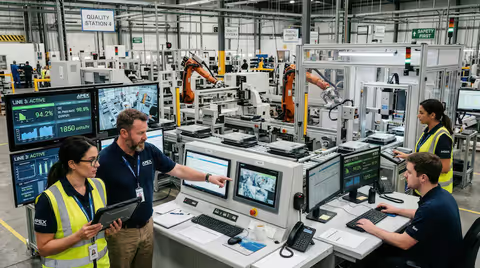
Manufacturing facilities use conveyor belt systems to transport components between assembly, inspection, processing, and packaging stations.
For example, automotive manufacturers may use conveyors to move vehicle components through production areas. Electronics manufacturers can use smaller belt systems to transport components between assembly stations.
2. Improving Warehouse Material Handling
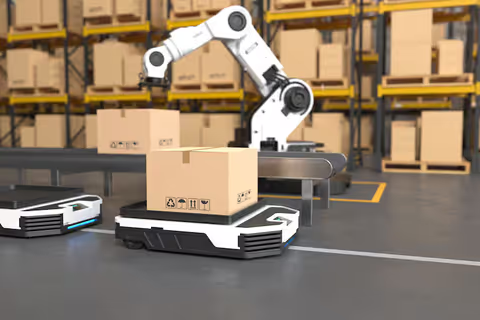
Warehouse conveyor systems support the movement of cartons, packages, containers, and inventory. They can connect storage areas with picking, sorting, packing, and dispatch operations.
When integrated with warehouse management software and barcode scanners, conveyor equipment can become part of a larger warehouse automation system.
3. Supporting Industrial Automation
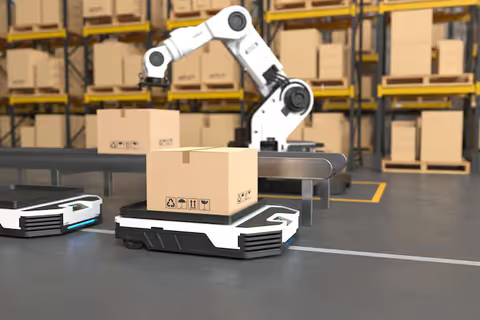
Automated conveyor systems can work with robotic arms, sensors, programmable logic controllers (PLCs), and other industrial automation equipment.
These integrations help coordinate product movement with manufacturing and packaging activities. The actual operating performance depends on system design, equipment compatibility, and maintenance.
Different Types of Industrial Conveyor Belts
Industrial conveyor belts are designed for different materials, environments, and transportation requirements. The following types are commonly used across manufacturing and material handling operations.
1. Flat Belt Conveyors
Flat belt conveyors use a continuous flat surface to transport products along a straight or slightly inclined route.
They are commonly used for:
Packaging operations
Assembly lines
Warehouse transportation
Carton handling
General manufacturing
Flat belt conveyors are available with rubber, PVC, polyurethane, and other belt materials. Selection depends on product weight, operating conditions, and required belt characteristics.
2. Modular Plastic Belt Conveyors
Modular conveyor belts consist of connected plastic modules assembled into a continuous belt.
Their construction allows individual sections to be replaced when damaged, depending on the design. Some configurations can also support curved conveyor layouts.
Common applications include food processing, beverage manufacturing, packaging, and product handling.
The material must be selected according to hygiene requirements, temperature conditions, chemical exposure, and applicable food-contact regulations.
3. Rubber Conveyor Belts
Rubber conveyor belts are widely used in industrial material transportation. They are available in different thicknesses, reinforcement structures, and surface designs.
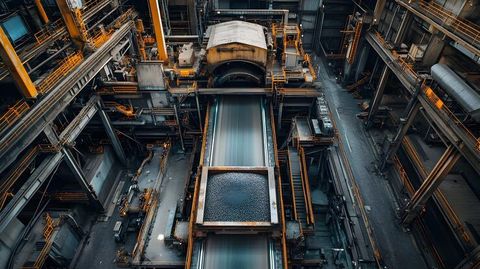
Heavy-duty rubber conveyor belts are commonly found in mining, cement production, construction material handling, and bulk transportation facilities.
Important selection factors include tensile strength, abrasion resistance, belt width, operating temperature, and material characteristics.
4. PVC Conveyor Belts
PVC conveyor belts are used in applications involving packages, lightweight products, and general manufacturing materials.
They are available in different surface finishes and thicknesses. Their properties make them suitable for various packaging, textile, printing, and warehouse operations.
Businesses should evaluate chemical compatibility, temperature limits, product contact requirements, and cleaning procedures before choosing a PVC belt.
5. Cleated Conveyor Belts
Cleated conveyor belts contain raised sections or profiles across the belt surface. These features help prevent materials from sliding backward during inclined transportation.
They are commonly used for:
Agricultural materials
Food products
Granules and powders
Packaging materials
Bulk material transportation
Cleat height, spacing, belt angle, and material type influence their performance.
6. Metal Conveyor Belts
Metal conveyor belts are manufactured using materials such as stainless steel and other industrial metals.
They are suitable for applications involving elevated temperatures, specialized processing conditions, and certain demanding industrial environments.
Common applications include food processing, industrial ovens, heat treatment, and metalworking operations.
The appropriate metal grade depends on temperature exposure, corrosion conditions, load requirements, and cleaning procedures.
7. Wire Mesh Conveyor Belts
Wire mesh conveyor belts use interconnected metal wires to create an open belt structure.
The open design allows air, liquids, and heat to pass through the belt, making these systems useful in drying, cooling, washing, and heating processes.
Industries such as food production, baking, electronics, and metal processing use wire mesh conveyor systems for suitable applications.
8. Sidewall Conveyor Belts
Sidewall conveyor belts include raised sidewalls along their edges. Some designs also contain cleats to support material movement at steeper angles.
They are often used for transporting bulk materials in mining, cement production, fertilizer handling, and other industrial applications.
These belts can help manage material movement where floor space or elevation changes are important design considerations.
Industrial Applications of Conveyor Belt Systems
Different conveyor belt designs support different industrial requirements.
Mining and Construction
Mining operations use heavy-duty conveyor belts to transport minerals, coal, aggregates, and other bulk materials. Belt strength, abrasion resistance, and environmental protection are important considerations.
Food and Beverage Processing
Food-grade conveyor belts are used to move ingredients, packaged products, and finished goods through production areas.
Depending on the application, materials may need to meet applicable food-contact requirements and support suitable cleaning procedures.
Pharmaceutical Manufacturing
Pharmaceutical conveyor systems can transport packaging materials, containers, and finished products. Equipment selection must consider hygiene, contamination control, traceability, and production requirements.
Packaging and Logistics
Packaging conveyor belts move cartons, bottles, parcels, and containers between filling, labeling, inspection, sorting, and dispatch stages.
These systems may be integrated with barcode readers, weighing equipment, sensors, and automated sorting machines.
Automotive and Electronics
Automotive and electronics manufacturers use conveyor systems to move components through assembly and inspection operations. Belt dimensions, speed control, and synchronization with production equipment are important design factors.
How to Select the Right Industrial Conveyor Belt
Choosing an industrial conveyor belt requires an understanding of the materials being transported and the operating environment.
Consider these important factors:
Material type: Identify whether the system will transport packages, bulk materials, food products, or industrial components.
Load capacity: Determine the weight and volume of materials handled during operation.
Belt material: Compare rubber, PVC, polyurethane, plastic modules, and metal according to application requirements.
Operating temperature: Check the belt's temperature limits and exposure conditions.
Conveyor speed: Match operating speed with production requirements and downstream equipment.
Installation space: Evaluate conveyor length, width, elevation, and available floor space.
Maintenance requirements: Review belt tracking, cleaning, inspection, replacement, and spare-part availability.
Safety features: Consider emergency stops, guarding, accessible moving parts, and applicable workplace safety requirements.
Businesses comparing industrial conveyor belt manufacturers should also examine technical specifications, material documentation, customization capabilities, and maintenance support.
Industrial Conveyor Belt Technology and Future Trends
Industrial conveyor technology is developing alongside smart manufacturing and automated material handling.
Several trends are influencing conveyor system design:
Smart sensors: Monitor belt movement, temperature, vibration, and operating conditions.
Predictive maintenance: Uses equipment data to identify potential maintenance requirements.
Variable frequency drives: Allow conveyor speed to be adjusted according to process needs.
Automation integration: Connects conveyors with robotic systems, PLCs, and industrial control equipment.
Energy monitoring: Helps operators examine electricity consumption during material transportation.
Digital monitoring: Provides operational information that can support maintenance and production planning.
These technologies can help facilities monitor equipment and coordinate material movement more effectively when properly implemented.
Frequently Asked Questions
1. What are the main types of industrial conveyor belts?
Common types include flat belt, rubber, PVC, modular plastic, cleated, metal, wire mesh, and sidewall conveyor belts.
2. Which conveyor belt is suitable for heavy materials?
Heavy-duty rubber conveyor belts and specially designed bulk material conveyor systems are commonly used for heavy loads. The correct selection depends on material weight, abrasiveness, belt width, and operating conditions.
3. What is a food-grade conveyor belt?
A food-grade conveyor belt is designed for applications involving food products and must meet relevant food-contact and hygiene requirements. PVC, polyurethane, modular plastic, and stainless steel systems may be used depending on the process.
4. What is the difference between rubber and PVC conveyor belts?
Rubber conveyor belts are commonly used in demanding bulk material applications, while PVC belts are frequently used for packages and general industrial transportation. Their suitability depends on mechanical, chemical, and environmental requirements.
5. What factors affect industrial conveyor belt selection?
Important factors include load capacity, belt material, temperature, operating speed, conveyor layout, product characteristics, and maintenance requirements.
6. What is an automated conveyor system?
An automated conveyor system uses motors, sensors, controllers, and related equipment to transport materials with coordinated control and limited manual intervention.
7. How often should industrial conveyor belts be inspected?
Inspection frequency depends on operating hours, load conditions, environmental exposure, manufacturer recommendations, and workplace maintenance procedures. Regular checks can help identify wear, tracking problems, and damaged components.
Conclusion
Industrial conveyor belts are essential components of manufacturing, mining, packaging, warehousing, food processing, and logistics operations. Different designs, including flat belt, rubber, PVC, modular plastic, cleated, metal, and wire mesh systems, serve different material handling requirements.
Selecting suitable conveyor equipment requires careful consideration of load capacity, belt material, operating conditions, maintenance, and safety. As industrial automation and smart monitoring technologies continue to develop, conveyor belt systems will remain important in modern material handling and production environments.