Explore Automotive Parts Manufacturers in China
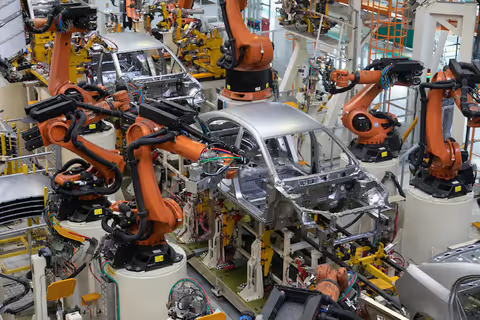
China has developed a large automotive manufacturing ecosystem that supplies vehicle components to domestic and international markets. Its production network includes manufacturers of engine components, braking systems, suspension parts, electrical equipment, body components, and electric vehicle technologies.
For importers, wholesalers, distributors, and automotive businesses, identifying suitable automotive parts manufacturers in China requires more than comparing product prices. Buyers must consider manufacturing capabilities, product specifications, quality standards, export experience, and delivery requirements.
Understanding how the industry operates can help businesses evaluate suppliers and make informed sourcing decisions.
Why Is China an Important Automotive Parts Manufacturing Hub?
China has an extensive industrial supply chain that supports vehicle production and replacement-part markets. Manufacturers operate across different categories, from individual mechanical components to complex electronic and electric vehicle systems.
The country's automotive industry has also continued to expand. According to China's 2025 national economic statistics, automobile manufacturing value added increased by 11.5% compared with 2024. The production of new energy vehicles increased by 25.1% during the same period.
This manufacturing base supports several business activities:
Original equipment manufacturing (OEM)
Replacement and aftermarket components
Wholesale automotive parts distribution
Export-oriented component production
Electric vehicle component development
Custom automotive component manufacturing
For international buyers, the variety of available manufacturers makes it possible to research suppliers based on product category, production capacity, and technical requirements.
What Types of Automotive Parts Do Chinese Manufacturers Produce?
Automotive parts manufacturers in China work across multiple product categories. Understanding these categories helps buyers identify factories with relevant technical capabilities.
1. Engine and Powertrain Components
Engine and powertrain components support vehicle operation and power transmission. Products may include engine blocks, pistons, cylinder heads, crankshafts, timing components, and transmission parts.
Buyers should review material specifications, dimensional tolerances, manufacturing processes, and compatibility with the intended vehicle models.
2. Brake System Components
Brake components are essential safety-related vehicle parts. Manufacturers may produce brake pads, brake discs, calipers, master cylinders, and related hydraulic components.
When evaluating brake pads manufacturers, buyers should examine friction-material specifications, performance testing, applicable safety requirements, and product traceability.
3. Suspension and Steering Parts
Suspension and steering systems help maintain vehicle stability, handling, and ride comfort. Common products include control arms, shock absorbers, ball joints, tie rods, steering components, and bushings.
Product dimensions, material strength, load requirements, and vehicle compatibility are important evaluation factors.
4. Automotive Electrical and Electronic Components
Modern vehicles use electronic systems for lighting, power management, monitoring, communication, and control.
Automotive electrical parts suppliers may manufacture wiring harnesses, sensors, connectors, switches, electronic control units, and lighting systems.
Buyers should verify electrical specifications, environmental protection ratings, compatibility, and testing documentation.
5. Body Parts and Exterior Components
Automotive body parts manufacturers produce components such as bumpers, fenders, doors, mirrors, grilles, panels, and other exterior products.
For these parts, buyers should check dimensions, surface finish, material quality, mounting points, and compatibility with the intended vehicle model.
6. Electric Vehicle Components
The expansion of electric mobility has increased attention on components such as battery housings, electric drive systems, charging equipment, thermal management systems, and power electronics.
Businesses researching EV components manufacturers in China should evaluate electrical safety, performance specifications, testing procedures, and relevant regulatory requirements.
OEM vs. Aftermarket Auto Parts: What Is the Difference?
Understanding the difference between OEM and aftermarket components is important when comparing automotive parts suppliers.
| Category | OEM components | Aftermarket components |
|---|---|---|
| Main purpose | Components supplied for original vehicle production | Replacement or upgrade market |
| Specifications | Based on vehicle-maker requirements | Vary by manufacturer and application |
| Compatibility | Designed for specified vehicle applications | Must be verified for each application |
| Documentation | Depends on customer and manufacturer requirements | Depends on supplier and product category |
| Typical buyers | Vehicle manufacturers and approved supply chains | Distributors, workshops, and retailers |
OEM auto parts and aftermarket products may serve different purchasing requirements. Buyers should not assume that an aftermarket component has the same specifications or approval status as an original vehicle component.
How to Find Reliable Automotive Parts Manufacturers in China
Finding a suitable supplier requires structured research and verification. The following steps can help businesses evaluate potential manufacturers.
1. Identify the Exact Product Requirements
Start by preparing a detailed product specification. Include the component name, dimensions, material, vehicle application, quantity, packaging requirements, and any relevant technical standards.
A clear specification helps manufacturers understand the requested product and prepare more accurate quotations.
2. Research Manufacturer Capabilities
Search for China auto parts manufacturers that specialize in the required component category. Review their production facilities, manufacturing processes, machinery, technical staff, and product range.
A company that produces a specific component regularly may have more relevant production experience than a general trading business.
3. Verify Company and Factory Information
Check the company's registered business information, factory address, manufacturing activities, export experience, and available certifications.
It is useful to distinguish between a manufacturer, trading company, distributor, and sourcing agent. Their responsibilities and control over production may differ.
4. Review Quality Management Systems
Quality management is particularly important for automotive components. Ask suppliers about their inspection procedures, testing equipment, traceability systems, and quality documentation.
IATF 16949 is an automotive-sector quality management standard used within the automotive supply chain. However, certification should be verified, and it does not automatically prove that every individual product meets the buyer's specifications.
5. Request Samples and Test Products
Before placing a large order, consider requesting product samples. Evaluate dimensions, materials, finishing, performance, and compatibility.
For safety-related components, use suitable independent or accredited testing where required. Do not rely only on photographs or supplier descriptions.
6. Compare Quotations and Production Capacity
Request quotations from multiple suppliers using the same technical specifications. Compare unit pricing, minimum order quantities, tooling charges, packaging, lead times, payment terms, and shipping arrangements.
A lower quotation may not represent a lower total procurement expense if it excludes testing, packaging, transportation, or other requirements.
What Should Buyers Check Before Importing Auto Parts From China?
International sourcing involves product, commercial, and regulatory considerations.
Before confirming an order, review:
Product specifications and approved samples
Applicable import regulations in the destination country
Customs classification and documentation
Product testing and certification requirements
Country-of-origin information
Packaging and shipment conditions
Warranty and defective-product procedures
Payment terms and delivery schedules
Import duties and product requirements vary by destination, product classification, and current trade rules. Businesses should confirm the applicable requirements with customs authorities or qualified trade professionals before shipment.
What Factors Affect Automotive Parts Manufacturing Costs?
The cost of automotive components depends on several manufacturing and commercial factors.
Raw materials: Steel, aluminum, rubber, plastic, copper, and electronic components influence production expenses.
Manufacturing process: Casting, forging, stamping, machining, molding, and assembly have different equipment and processing requirements.
Order quantity: Production volume can affect unit pricing, setup expenses, and minimum order requirements.
Technical specifications: Tight tolerances, special materials, testing, and custom designs may require additional production work.
Packaging and logistics: Packaging, freight, insurance, customs duties, and handling contribute to the total landed expense.
When comparing automotive parts manufacturers in China, evaluate the complete quotation rather than focusing only on the listed unit price.
Frequently Asked Questions
1. What products do automotive parts manufacturers in China produce?
They manufacture engine components, brake systems, suspension parts, steering components, body panels, electrical equipment, sensors, and electric vehicle components. Product availability depends on each factory's specialization.
2. How can I identify genuine auto parts manufacturers in China?
Review company registration information, factory facilities, manufacturing capabilities, quality documentation, product samples, and export experience. A factory audit or independent inspection can provide additional verification.
3. What is the difference between an auto parts supplier and a manufacturer?
A manufacturer produces components, while a supplier may be a manufacturer, distributor, wholesaler, or trading company. Buyers should confirm the company's actual role before entering a commercial agreement.
4. Are OEM and aftermarket auto parts the same?
No. OEM components are produced according to original equipment requirements, while aftermarket components are intended for replacement or other applications. Specifications, compatibility, and approval status can differ.
5. What certifications should automotive parts buyers check?
The relevant documentation depends on the product and destination market. IATF 16949 is an important automotive quality management standard, while specific components may require additional regulatory approvals, test reports, or conformity documentation.
Conclusion
Automotive parts manufacturers in China operate across a wide range of product categories, including engine systems, brakes, suspension components, electrical equipment, body parts, and electric vehicle technologies.
For international buyers, choosing a suitable manufacturer involves checking production capabilities, product specifications, quality management, certifications, pricing, and export requirements. Comparing suppliers using consistent technical information and verifying samples before larger orders can help reduce sourcing risks.
A structured supplier evaluation process allows importers, distributors, and automotive businesses to understand the available manufacturing options and make more informed procurement decisions.