Understanding Bottling Machine Manufacturers: Basics, Details, and Key Facts
Bottling machine manufacturers play a central role in modern production environments where liquids must be filled, sealed, and packaged efficiently. These machines are commonly used in industries such as beverages, pharmaceuticals, chemicals, and personal care products. Over time, manufacturing processes have shifted from manual handling to automated systems, giving rise to industrial automation bottling line integrators and advanced production setups.
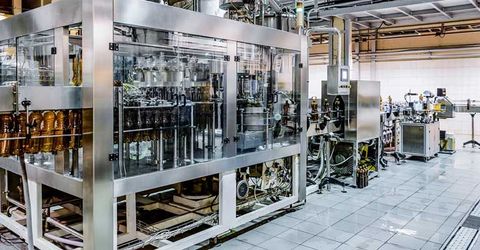
A bottling line typically includes several stages, such as rinsing, filling, capping, labeling, and packaging. Today, many beverage bottling plant design and build contractors create fully integrated systems that handle these steps in a continuous flow. These systems are designed to reduce human intervention, improve consistency, and maintain hygiene standards.
The concept of complete bottling plant installation services has emerged to support businesses that require end-to-end system setup. Instead of managing separate equipment providers, organizations often rely on integrated solutions that combine design, assembly, and operational alignment. This approach has made bottling systems more accessible and adaptable to different industries and production scales.
Importance
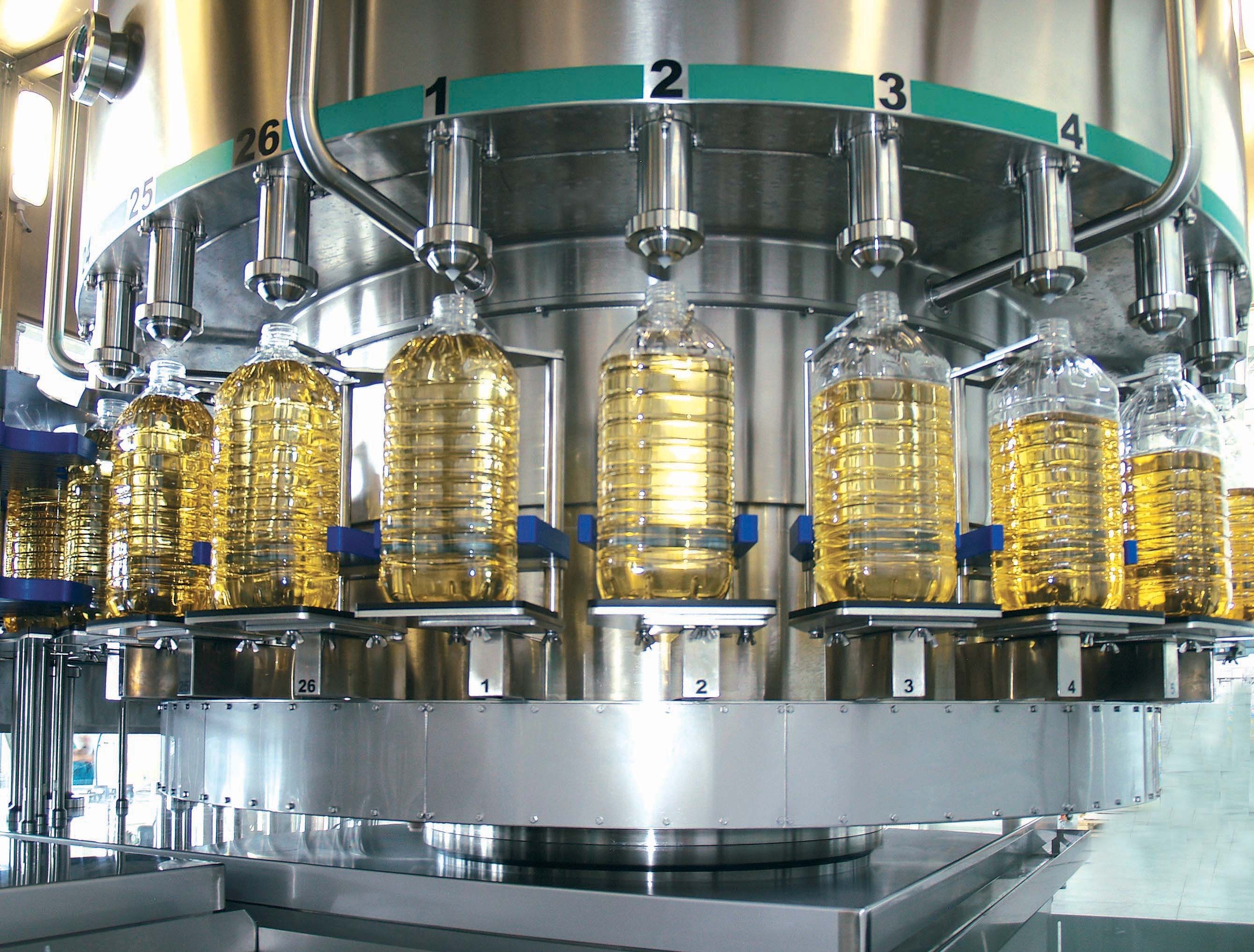
Bottling systems are essential because they directly affect how products reach consumers safely and efficiently. From bottled water to pharmaceutical liquids, consistent filling and sealing processes help maintain quality and prevent contamination. Large scale bottling production line suppliers contribute to meeting growing global demand for packaged goods.
For everyday consumers, these systems influence product availability, packaging quality, and shelf life. For manufacturers, automated packaging and bottling system integrators help streamline operations and reduce production delays. This is especially relevant in industries where hygiene and precision are critical, such as pharmaceuticals and food processing.
Key challenges addressed by bottling systems include:
- Consistency in volume and quality: Automated systems ensure each bottle contains the correct amount of liquid.
- Speed and efficiency: High-output lines can process thousands of bottles per hour.
- Safety and hygiene: Controlled environments reduce contamination risks.
- Labor optimization: Automation reduces reliance on manual handling.
In addition, international bottling line manufacturers turnkey solutions allow businesses to establish production facilities with standardized processes across different regions. This helps maintain uniform product quality regardless of location.
Recent Updates
Recent developments in bottling machine manufacturing reflect broader trends in automation, sustainability, and digital integration. From 2024 to 2026, manufacturers have increasingly focused on energy efficiency and environmental impact. Low energy automated bottling line solutions are becoming more common, aiming to reduce power consumption without compromising output.
Green manufacturing bottling line automation is another emerging trend. Companies are incorporating recyclable materials, reducing water usage, and optimizing waste management within production lines. These changes align with global efforts to minimize environmental impact in industrial operations.
Technological advancements include:
- Smart sensors and IoT integration: Machines can now monitor performance in real time and detect faults early.
- Modular system design: Flexible configurations allow manufacturers to adapt lines for different products.
- Digital twins: Virtual models of bottling lines help simulate production and identify inefficiencies.
- Robotics integration: Automated arms and conveyors improve precision and reduce manual errors.
Eco friendly pharmaceutical bottling systems have also gained attention, especially in response to stricter environmental and safety expectations. These systems are designed to handle sensitive liquids while minimizing waste and energy use.
Laws or Policies
Bottling machine manufacturing and operation are influenced by various regulations that ensure safety, quality, and environmental compliance. These rules vary by country but generally follow similar principles.
In India, for example, industries must comply with guidelines set by regulatory bodies such as the Food Safety and Standards Authority of India (FSSAI) for food and beverage products. Pharmaceutical bottling operations must align with Good Manufacturing Practices (GMP), which define standards for hygiene, equipment maintenance, and documentation.
Common regulatory considerations include:
- Product safety standards: Ensuring bottled goods are safe for consumption or use.
- Environmental regulations: Managing waste, emissions, and energy usage.
- Machine safety requirements: Protecting workers from mechanical hazards.
- Labeling and packaging rules: Providing accurate product information.
End to end bottling plant consulting services often include guidance on regulatory compliance. These consultations help manufacturers align their operations with national and international standards, reducing the risk of operational disruptions.
Tools and Resources
Various tools and platforms support the planning, design, and operation of bottling systems. These resources help manufacturers understand system requirements and improve efficiency.
Commonly used tools include:
- Production line simulation software: Helps visualize workflows and identify bottlenecks.
- Energy consumption calculators: Estimate power usage for different machine configurations.
- Maintenance tracking systems: Monitor equipment performance and schedule servicing.
- Quality control software: Ensures consistent product output.
Below is a simple comparison table of common bottling line components and their functions:
| Component | Function | Typical Industry Use |
|---|---|---|
| Bottle rinsing unit | Cleans containers before filling | Beverage, pharmaceutical |
| Filling machine | Dispenses liquid into bottles | All liquid-based industries |
| Capping machine | Seals bottles with caps or lids | Beverage, chemical |
| Labeling system | Applies product labels | Food, personal care |
| Packaging unit | Groups and prepares bottles for transport | All industries |
In addition, automated packaging and bottling system integrators often rely on centralized control systems that connect all components. These systems allow operators to monitor production and make adjustments as needed.
Digital documentation platforms are also useful for maintaining compliance records and tracking production data. These tools contribute to transparency and traceability across the entire bottling process.
FAQs
What do industrial automation bottling line integrators do?
Industrial automation bottling line integrators design and connect different machines into a unified production system. Their role includes ensuring that each stage of the bottling process works together efficiently.
How do beverage bottling plant design and build contractors work?
These contractors plan and construct bottling facilities from the ground up. They consider factors such as production capacity, layout, and equipment compatibility to create functional systems.
What are complete bottling plant installation services?
Complete bottling plant installation services involve setting up all equipment required for a bottling line. This includes installation, system alignment, and initial testing to ensure proper operation.
What makes eco friendly pharmaceutical bottling systems different?
Eco friendly pharmaceutical bottling systems focus on reducing environmental impact while maintaining strict hygiene standards. They often use energy-efficient components and minimize material waste.
What are low energy automated bottling line solutions?
Low energy automated bottling line solutions are designed to reduce power consumption during production. They use optimized motors, sensors, and control systems to maintain efficiency with lower energy use.
Conclusion
Bottling machine manufacturers contribute significantly to modern production systems by enabling efficient and consistent packaging processes. Their work supports industries ranging from beverages to pharmaceuticals, ensuring products are safely prepared for distribution. Advances in automation, sustainability, and digital tools continue to shape how bottling systems are designed and operated. Regulatory frameworks and technological resources further guide these developments. Overall, bottling systems remain an essential part of global manufacturing infrastructure.